

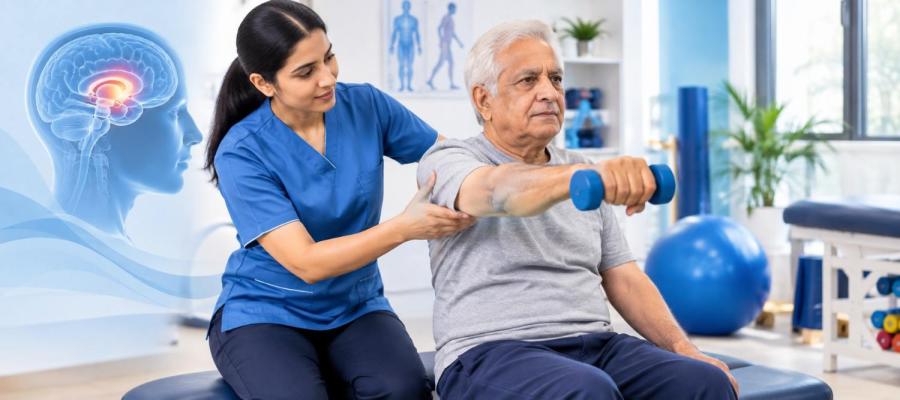
 Parkinson’s Physiotherapy: Balance, Strength & Care
Physiotherapy for Parkinson’s Disease
When a loved one or family member receives a Parkinson’s disease diagnosis, it can feel like navigating an entirely new world. Beyond medication, one of the most effective strategies for maintaining independence, confidence, and physical vitality is targeted physical therapy. At Sai Physiotherapy & Pain Management Clinic, we believe that targeted physical interventions empower individuals to take back control of their movement. Whether you are seeking care for an aging parent, a spouse, or exploring early options yourself, understanding how physical rehabilitation works is key to long-term wellness.
What Happens to Movement in Parkinson’s Disease?
Parkinson’s disease primarily affects dopamine-producing neurons in the brain, leading to motor challenges such as muscle stiffness (rigidity), resting tremors, bradykinesia (slowness of movement), and posture instability. Over time, everyday actions like reaching for a cup, sitting up in bed, or walking smoothly can feel increasingly deliberate and exhausting.
This is precisely where specialized therapeutic care makes a profound difference. By leveraging neuroplasticity the brain’s remarkable ability to rewire itself structured rehabilitation helps build alternative neural pathways, keeping body movements as fluid and natural as possible.
Key Pillars of Physical Therapy for Parkinson’s
A complete treatment plan combines multiple disciplines to address every aspect of motor control and endurance:
1. Neurological Physiotherapy
Neurological Physiotherapy focuses specifically on nervous system rehabilitation. Therapists use high-amplitude movement training (such as LSVT BIG techniques) to retrain how the brain perceives signal strength. By performing larger, exaggerated movements during sessions, patients can maintain normal-sized steps and reaches in daily life.
2. Strength Training & Resistance Exercises
Progressive Strength Training is essential to counteract muscle loss and joint rigidity. Targeting the core, hips, legs, and back muscles improves overall endurance, making activities like standing up from a chair or climbing stairs far easier and safer.
3. Vestibular Rehabilitation
Balance disorders and sudden dizziness often accompany Parkinson’s, increasing the risk of unexpected falls. Vestibular Rehabilitation involves targeted eye-head coordination and balance drills designed to stabilize vision, improve inner ear feedback, and give patients the confidence to walk on uneven surfaces.
4. Geriatric Physical Therapy
Because Parkinson’s often impacts older adults, Geriatric Physical Therapy tailors exercises to accommodate joint health, bone density, and cardiac fitness. This gentle yet progressive approach ensures maximum safety while delivering consistent physical gains.
5. Home Physiotherapy
For many individuals, traveling to a clinic daily can be physically demanding. Utilizing Home Physiotherapy allows personalized treatment plans to be executed in the patient's actual living environment. Therapists can assess real-world fall risks, optimize furniture layouts, and practice navigating specific hallways and staircases safely.
Key Benefits of Targeted Physical Therapy
Investing early in a structured physiotherapy routine yields significant long-term health dividends:
- Improved Mobility & Gait: Reduces shuffling steps and aids in maintaining a steady, confident stride.
- Reduced Fall Risk: Sharpens reflexes and enhances balance through sensory re-weighting exercises.
- Alleviated Muscle Stiffness: Daily stretching and joint mobilization reduce chronic aches and muscle tightness.
- Enhanced Independence: Keeps fundamental daily activities dressing, walking, and bathing manageable without constant assistance.
- Boosted Mood & Energy: Physical exercise stimulates endorphin release, helping combat sleep issues, anxiety, and depression.
Why Choose Sai Physiotherapy & Pain Management Clinic?
At Sai Physiotherapy & Pain Management Clinic, we understand that no two Parkinson’s journeys are identical. Our dedicated team develops compassionate, evidence-based programs designed specifically for your unique goals. From advanced gait-training protocols to customized home exercise plans, we work side-by-side with you and your family every step of the way.
Frequently Asked Questions (FAQs)
How soon should someone start physical therapy after a Parkinson's diagnosis?
It is best to start immediately upon diagnosis. Early intervention helps establish baseline mobility, builds strength, and introduces neuro-protective exercises before significant motor limitations develop.
Can physiotherapy reverse Parkinson’s disease symptoms?
While physical therapy cannot cure Parkinson’s, it slows functional decline, improves motor control, and helps retrain the brain to work around damaged pathways effectively.
What is the difference between general exercise and specialized neurological physiotherapy?
General exercise promotes overall cardiovascular health, whereas specialized neurological physical therapy targets specific brain-to-muscle motor deficits, gait freezing, balance issues, and coordination impairments tailored to Parkinson's disease.
Is home physiotherapy as effective as in-clinic treatment?
Yes! Home physical therapy is exceptionally effective because it allows therapists to address real-world environmental hazards, practice actual home routines, and tailor safety measures directly where the patient spends most of their time.
Have a question about your condition?
Our consultant physiotherapist is here to help.